




Problem statement
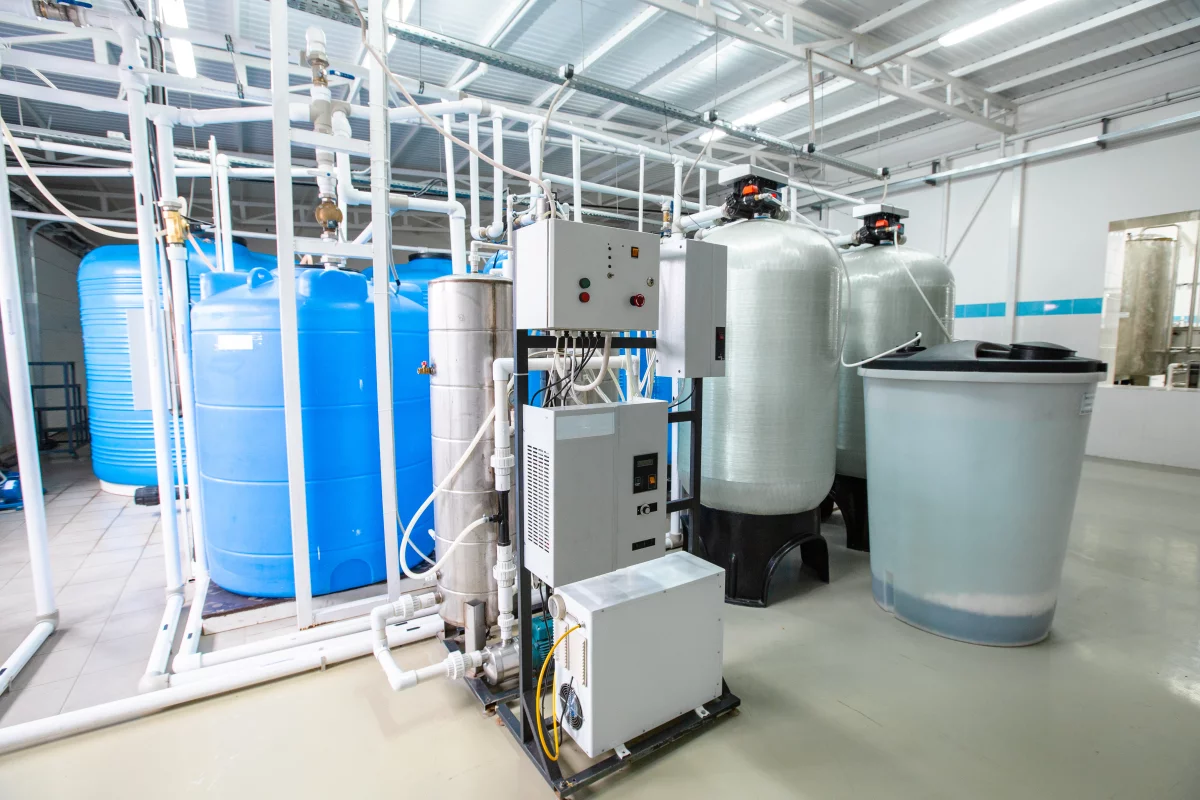
A mid-sized beverage manufacturer faced escalating water treatment costs and struggled to meet stringent environmental compliance requirements due to outdated and inefficient water purification systems. The plant's reliance on energy-intensive processes and excessive use of chemicals resulted in unsustainable operations, increased production costs, and heightened regulatory pressures. Additionally, the lack of a comprehensive monitoring system led to inconsistent water quality, adversely impacting production efficiency and overall sustainability targets.
Main outcome
The implementation of advanced membrane technologies and a closed-loop system delivered transformative results. The manufacturer achieved a 35% reduction in energy consumption and a 40% decrease in chemical usage, significantly lowering operating costs. Wastewater recycling enabled the recovery and reuse of 75% of treated water, minimising discharge and enhancing resource efficiency. Compliance with environmental standards was seamlessly achieved, strengthening the company’s reputation as a sustainable leader in the food and beverage sector. The addition of real-time monitoring systems ensured consistent water quality, improving production reliability while fostering long-term operational sustainability. These outcomes collectively enhanced the company's market position and profitability.