




Problem statement
For manufacturers of disposable cutlery, the EU ban on single-use plastics presents a significant challenge. Their core business is directly affected, as traditional plastic cutlery can no longer be produced and sold within the EU market. This forces companies to rethink their product lines, invest in research and development, and identify sustainable alternatives such as biodegradable materials or innovative designs like foldable cardboard spoons.
For manufacturers of ready-to-eat products, especially in the convenience sector, the ban on single-use plastic cutlery means they must rethink their packaging concepts. Products like yogurt, salads, or ready meals that were previously sold with a plastic spoon or fork now require sustainable alternatives.
This brings several challenges:
Higher costs: Alternative materials like wood, paper, or bioplastics are often more expensive than traditional plastic.
Functionality: New cutlery solutions must be sturdy, food-safe, and user-friendly.
Supply chain adjustments: Manufacturers need to find new suppliers and adapt their production processes.
Consumer acceptance: Customers must get used to new materials and designs.
Ultimately, the ban forces manufacturers to develop sustainable solutions to remain competitive and comply with regulations.
Main outcome
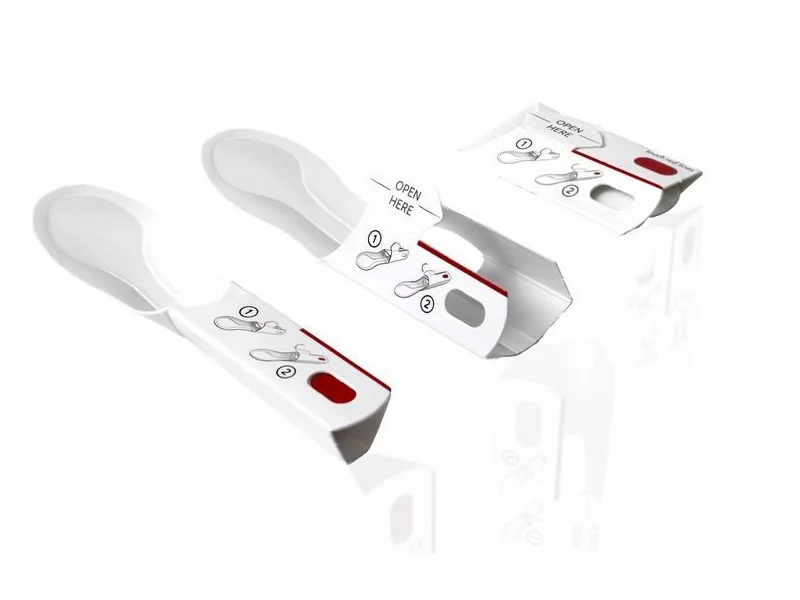
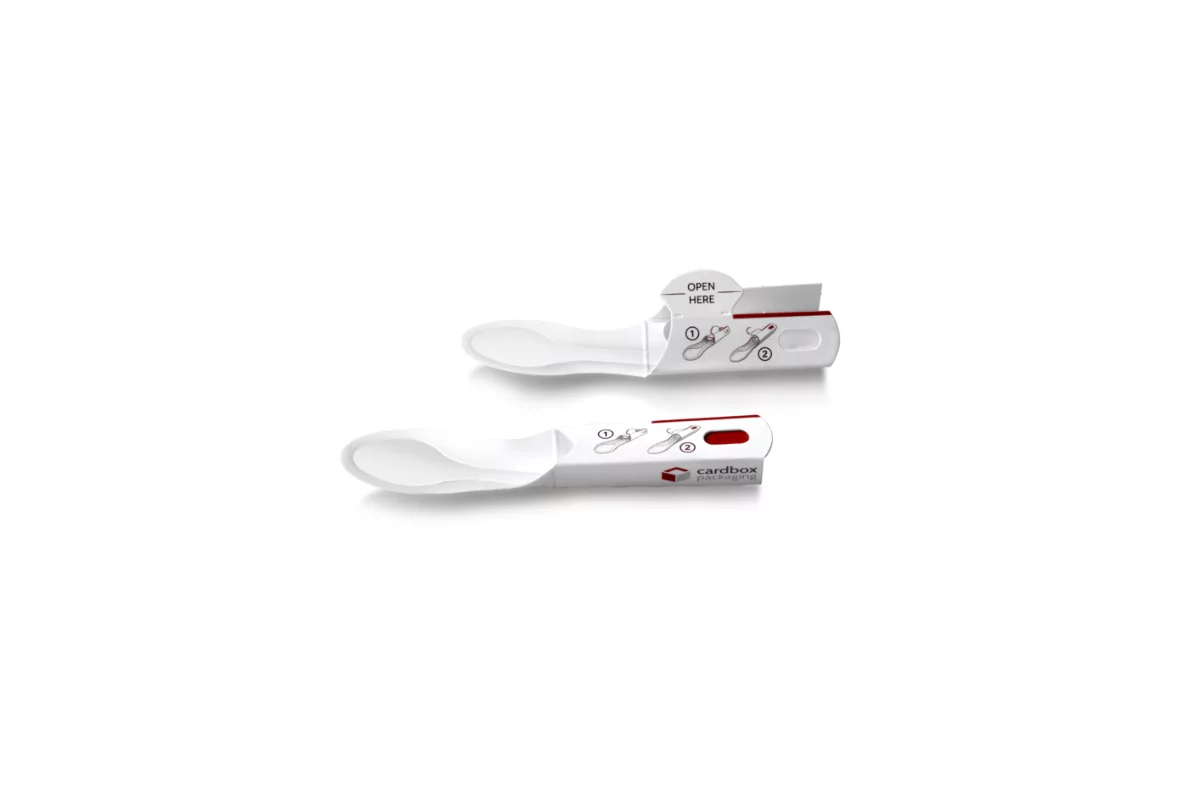
Karlo spoon, created in cooperation with Greiner Packaging International, is made purely of cardboard, is fully recyclable, and helps reduce the worldwide use of plastics. Due to the ban on disposable plastic cutlery in the EU from 2021-2022, the spoon is an innovative and ecological alternative, even after printing and coating. This way, consumers can still have the opportunity to enjoy various convenience food on the go.